Want an email when this course is scheduled in your province? expand_more
Certified Mechanic, level I: a 14-day course in the most useful core skills
cars timer 14-day course assignment certificate verified_user qualification

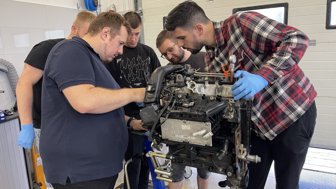
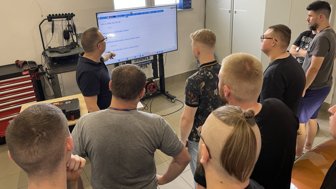
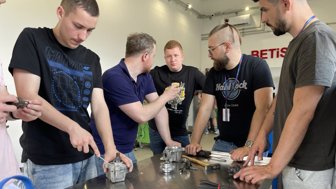
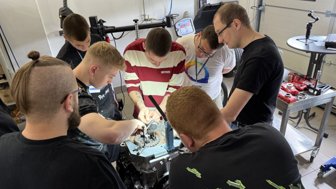
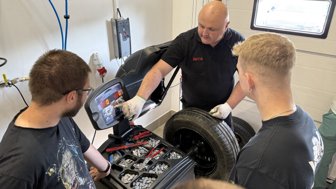
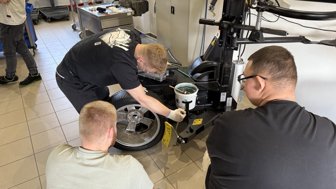
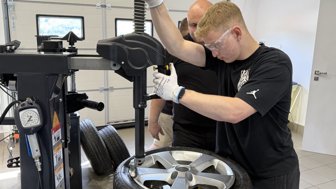
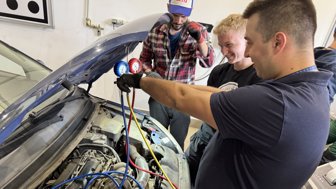
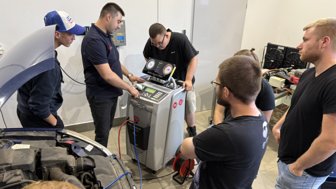

Course overview:
What our students say: watch the interviews on YouTube.
Each student's full interview will be available soon!
Garage owners today are struggling to find skilled staff. Many would hire a competent mechanic straight away, if only one came along. Sadly, people like that just aren't out there looking for work.
Read more...
So garage owners have no choice: if they want to grow, they have to hire young, inexperienced people and teach them practically from scratch, which takes a great deal of time and is a real headache. What makes it such a headache is that an owner hires someone to help and take some of the load off, not to add looking after a newcomer to their own workload.
This course is designed to help garage owners solve exactly that problem. On our 14-day course, someone with little work experience, just starting out or even changing careers, gains a carefully chosen set of practical skills that makes them as useful as possible to a workshop. All these skills are listed in the "On this course" section.
You might think "OK, but how much can you really learn in 14 days?", and in one sense you'd be right. A two-week course won't replace years of experience, which is why it qualifies participants as a Certified Mechanic Level I, the basic level. Level II is the advanced level, and Level III means a specialist in a particular area, such as diesel engines. On the other hand, it's hard to put into words how much progress participants make on this course. After our courses we regularly hear feedback such as: "wow, I learned more in these 2 days of training than in my whole degree". If some people learn more in 2 days of training than in their whole degree, imagine what 14 days can do, especially when they're built around making you as useful as possible to a workshop.
The last day of the course is the SITK RP* certification exam.
The course is based on the Warsztat XXI wieku (Workshop of the Twenty-First Century) project, created jointly by BETiS, Inter Cars and SITK, with details to be announced soon.
*Stowarzyszenie Inżynierów i Techników Komunikacji Rzeczypospolitej Polskiej (Polish Association of Transport Engineers and Technicians)
On this course:
you will gain the skills listed below, including the F-gas certificate and the SITK RP (Polish Association of Transport Engineers and Technicians) Certified Mechanic: Level I certificate.
List of skills
- Day 1: Technical documentation
- MKJ101: Can select the right vehicle in multi-brand technical information platforms, including without automatic VIN decoding.
- MKJ102: Can find the data needed in the chosen technical information platform (e.g. AutoData, ESI[tronic], HaynesPro…), such as tightening torques, vehicle fluid quantities and specifications, oil pressures, fuel pressures, valve clearances and compression pressure.
- MKJ103: Can get the service checklist for the required time or mileage interval.
- MKJ104: Knows where to find the relevant service procedures, e.g. timing belt or chain replacement and component fitting and removal, and the right approach to jobs such as replacing injectors, the HP fuel pump, the turbocharger or a seized air conditioning compressor.
- MKJ105: Can find block diagrams of fuel, air and vacuum systems in multi-brand technical information platforms.
- Day 2: Petrol engines
- MKJ201: Knows the operating principle and components of spark-ignition engines.
- MKJ202: Can choose and use the special tools needed for basic mechanical and diagnostic work, i.e. measuring compression pressure and fuel pressure and checking combustion engine intake systems for leaks.
- MKJ203: Knows the likely causes of basic in-service problems and can carry out initial diagnosis of basic faults such as misfires, a rich or lean air-fuel mixture, intake system leaks and exhaust system leaks, and can judge the system's condition from the spark plugs.
- MKJ204: Knows the main components of petrol direct injection fuel systems.
- Days 3 and 4: Diesel engines
- MKJ301: Knows the general operating principle and components of compression-ignition engines with common rail systems of different generations.
- MKJ302: Can carry out basic diagnostic procedures on CR fuel systems, i.e. checking the low-pressure and high-pressure circuits and leak testing injectors.
- MKJ303: Can replace the fuel filter and bleed the fuel system correctly for its type.
- MKJ304: Can carry out the fuel system start-up procedure after replacing components.
- MKJ305: Can carry out basic diagnostics and the basic adaptations and coding available with multi-brand diagnostic tools.
- Day 5: Exhaust aftertreatment systems
- MKJ401: Has a general knowledge of the solutions introduced in diesel engines to meet emissions standards from Euro 4 to Euro 7, including EGR, DPF, FAP and SCR systems.
- MKJ402: Knows the likely causes of common servicing and in-service problems in exhaust aftertreatment systems, e.g. a diesel particulate filter that clogs too quickly or a rising engine oil level.
- MKJ403: Can diagnose the exhaust gas recirculation system and understands the relationship between intake air flow and recirculated exhaust gas flow.
- MKJ404: Can determine DPF/FAP filter loading and carry out a forced regeneration.
- MKJ405: Knows the construction and operating principle of nitrogen oxides (NOx) reduction systems.
- Day 6: Engine servicing
- MKJ501: Can carry out the basic servicing tasks on the service checklist and replace basic consumable parts such as oil and filters.
- MKJ502: Can replace belt-driven and chain-driven timing.
- MKJ503: Can assess the condition of the belt drive and replace components such as the tensioner and idler pulleys.
- Days 7, 8 and 9: Gearboxes
- MKJ601: Can assess and replace clutches and dual-mass flywheels.
- MKJ602: Can diagnose and carry out basic repairs on manual gearboxes.
- MKJ603: Can select ATF and knows the methods for changing it in automatic gearboxes.
- MKJ604: Knows the construction and operating principle of the main types of automatic gearbox and can tell them apart.
- MKJ605: Can replace the clutch in a selected automatic gearbox.
- MKJ606: Can carry out an emergency release of the gear selector lever.
- MKJ607: Can dismantle a selected gearbox and check the condition of its internal parts.
- Day 10: Tyres
- MKJ701: Can use TPMS programming tools.
- MKJ702: Can change tyres with and without TPMS sensors and check them for damage.
- MKJ703: Can balance wheels after tyre fitting.
- MKJ704: Can assess the condition of tyres and whether they are fit for use.
- Days 11 and 12: Chassis
- MKJ801: Knows the technical requirements for roadworthiness and how to check them.
- MKJ802: Can correctly assess and replace suspension components.
- MKJ803: Can check, assess and correctly set wheel alignment
- MKJ804: Knows the construction and operating principle of braking systems and can assess and replace brake fluid, brake pads and brake discs.
- MKJ805: Knows how to calibrate ACC and LDW systems.
- Day 13: Air conditioning
- MKJ901: Holds the F-gas certificate.
- MKJ902: Can leak test the air conditioning system.
- MKJ903: Can service the air conditioning system.
- MKJ904: Can check the performance of the air conditioning system.
- Day 14: Exam
- Gains SITK RP certification as a "Certified Mechanic: Level I" on passing the exam.
Course outline:
Day 1: Technical documentation
- Computer diagnostics of motor vehicles
- OBD I system
- OBD II/EOBD system
- Diagnostic connector
- Data transmission protocols
- Using service manuals for troubleshooting
- P, B, C and U fault codes
- Non-continuous monitors
- Continuous monitors
- Freeze frame data
- Communication problems between the diagnostic tool and vehicle systems
- Specialist service documentation: service platforms
- ESI Tronic 2.0
- AUTODATA
- Vivid WorkShop Data
- HGS Data
- Using technical information platforms in practice
Day 2: Petrol engines
- Introduction: injection and ignition systems
- Basic petrol engine operating parameters
- Ignition system
- Ignition coils: types and operating principle
- Spark plugs: types, selection and replacement procedure
- Injection systems
- Types of injection system
- Construction and operating principle of multi-point fuel injection systems
- Construction and operating principle of MED direct fuel injection systems
- Diagnostic procedures and assessing engine condition by measuring compression pressure and checking basic systems, e.g. fuel pressure and the intake and exhaust systems
- Reading and interpreting basic engine operating parameters
Days 3 and 4: Diesel engines
- Construction of common rail fuel systems in compression-ignition engines
- Lift pumps (mechanical and electric)
- Fuel filters
- Pressure regulators
- Pressure and temperature control
- Sensors
- High-pressure pumps
- High-pressure solenoid valves
- Low-pressure solenoid valves
- Fuel rails (fuel pressure control methods)
- High-pressure sensors
- Bosch, Delphi and Denso solenoid injectors
- Bosch, Continental, VDO and Denso piezo injectors
- Common rail diagnostic procedures
- Checking low pressure in the fuel system
- Checking electrical circuits: pressure sensor signal, solenoid valve signals
- Hydraulic leak test of the high-pressure system
- Injector leak test
- High-pressure control valve leak test
- High-pressure pump output and leak test
- Fuel filter replacement procedures
- Bleeding the fuel circuit on Bosch, Delphi, Continental and Denso systems
- Bleeding injectors after removal
- Common rail fuel system start-up procedures after replacement
- Direct compression test
- Diagnostics and service procedures using diagnostic equipment and tools
- Fuel pump control
- Relative compression test
- Checking the electrical values of piezo and solenoid injectors
- Checking injector correction values with a diagnostic tool
- High-pressure system diagnostics: checking and assessing engine control unit measured values
- Bosch, Denso, Delphi and Continental injector coding
- Zero fuel quantity calibration and injector adaptation
Day 5: Exhaust aftertreatment systems
- Introduction
- Composition of engine exhaust gas
- Carbon monoxide (CO)
- Hydrocarbons (HC)
- Nitrogen oxides (NOx)
- Sulphur compounds (SOx, H2S)
- Soot and particulate matter (PM)
- Exhaust gas recirculation
- Construction and operating principle
- EGR system diagnostics
- Diesel particulate filters
- Construction of diesel particulate filters
- Running a car with a diesel particulate filter
- Common servicing problems in cars with a diesel particulate filter
- DPF regeneration
- NOx aftertreatment systems
- Construction of systems with a NOx storage catalyst
- Construction of SCR (selective catalytic reduction) systems
Day 6: Engine servicing
- Checking for common leaks and how to fix them
- Location and replacement procedure for basic filters, including oil, fuel and air filters
- Assessing and replacing the auxiliary drive belt on a selected engine
- Assessing the condition of the drive components (including idler pulleys and tensioners) and the timing belt and chain on selected engines
- Special tools and replacement procedure for belt and chain timing kits on selected engines
Day 7: Manual gearboxes
- Operating principle of manual gearboxes
- Construction and operating principle of the dual-mass flywheel
- Construction and operating principle of self-adjusting clutch pressure plates and the clutch disc
- Gear selector mechanisms
- Manual gearbox components
- Input and output shafts
- Gears
- Synchromesh
- Manual gearboxes with an oil pump and internal oil level control
- Manual gearbox repair procedures
- Oil change and level check procedures
- Differentials
- Types of differential
- Differential repair procedures
- Differential adjustment procedures
- Differential oil change and check procedures
- Diagnosing the dual-mass flywheel
- Diagnosing self-adjusting clutch pressure plates and the clutch disc
- Fitting procedures for the dual-mass flywheel, self-adjusting clutch pressure plates and clutch disc
- Complete strip-down of a sample gearbox
- Hands-on inspection of internal damage
- How to repair common faults
- Repair procedures
- Adjustment procedures
- Using special tools
- Gearbox reassembly, with detailed explanations of each gearbox's specific features
- Problems you may come across and how to solve them
- Incorrect handling: how damage can occur
Days 8 and 9: Automatic gearboxes
- Types of automatic and automated gearbox found in modern vehicles
- Towing a vehicle with an automatic gearbox
- Stepped automatic gearboxes
- Gear lever and parking lock
- Torque converter
- ATF pump
- Planetary gear set
- Clutches and brakes in automatic gearboxes
- CVT gearbox: construction and operating principle
- Mercedes Autotronic
- Audi Multitronic
- Jatco CVT
- DSG dual-clutch gearboxes
- Gear lever
- DSG 6 gearbox
- Gearbox construction
- Mechatronic module
- Electrohydraulic control unit and hydraulic system
- Electronic control unit
- Selector forks
- Control strategy
- Dual multi-plate clutch and replacement procedure
- DSG 7 gearbox
- Gearbox construction
- Mechatronic module
- Electrohydraulic control unit and hydraulic system
- Electronic control unit
- Dry dual clutch and replacement procedure
- ATF gear oil
- ATF selection
- Basic steps in an ATF change
- ATF change methods: static and dynamic
- Practical exercises
- Special tools
- Complete strip-down of a selected automatic gearbox
- Hands-on inspection of internal damage
- Clutch replacement for the selected gearbox type
- Emergency release of the gear selector lever
Day 10: Tyres
- Tyre and wheel rim types, requirements and markings
- Tyre and wheel markings
- Tyre care before seasonal tyre storage
- Low rolling resistance tyres and tyre criteria for different vehicle types
- Tyre fitting
- Checking a tyre for damage
- Fitting TPMS sensors to the wheel rim
- Fitting a tyre with and without a TPMS sensor, including balancing
- Types of tyre damage and their causes
- Types of TPMS and their characteristics
- Differences between the systems in use
- Calibrating passive systems
- Antennas and control units used for TPMS servicing
- Sensor types and selection
- Sensor programming tools and workshop tools
- Device configuration
- Software updates
- Hands-on use of programming tools: TPMS Connect Evo Magneti Marelli, SENSOR AID by CUB
- Programming sensors for different cars, on the wheel and before fitting to the wheel
- TPM sensor diagnosis
- Automatic sensor cloning
- Manual sensor cloning
- Programming a new sensor when the old sensor and its sensor ID are missing
- Programming a new set of wheels with additional IDs
- Database of sensor IDs for supported cars
- Manually changing sensor IDs in a sensor fitted to the wheel
- Supporting customers remotely
- TPMS servicing via the diagnostic connector
- Analysis of fault codes and complete reports on real servicing problems
Days 11 and 12: Chassis
- Chassis repairs and the requirements for roadworthiness
- Suspension design solutions
- Construction and operating principle of power steering systems
- Key definitions, alignment parameters and possible adjustment methods
- Assessing and repairing suspension parts
- Shock absorber replacement
- Spring replacement
- Suspension arm and track rod replacement
- Rubber-metal bush replacement
- Operating principle and use of BEISSBARTH wheel alignment equipment
- Preparing the vehicle for wheel alignment on the test bay
- Initial measurement and checking the results
- Wheel alignment adjustment
- Braking system construction, operating principle and repair/servicing
- Braking systems with traction control and with vacuum and electromechanical brake servos
- Brake fluid requirements
- Brake disc types and assessment criteria
- Brake pad types and assessment criteria
- Brake disc and pad replacement
- Brake fluid change
- Bleeding the braking system
- Operating principle and calibration of selected driver assistance systems with the DAS3000
- Adaptive cruise control/distance control
- Lane keeping assist
- Reversing camera/surround view camera
Day 13: Air conditioning
- Introduction
- The refrigerant circuit in the air conditioning system
- Construction and operating principle of modern air conditioning systems
- Refrigerants used in air conditioning systems
- Keeping records of air conditioning servicing and repairs
- Construction and operating principle of individual air conditioning components
Day 14: "Certified Mechanic: Level I" certification exam (SITK RP certification)
- Theory
- Practical
Requirements:
- a desire to learn as much as possible
Price (excl. VAT):
- 7620 PLN
-
the price includes:
- 13 days of training
- the cost of the SITK RP (Stowarzyszenie Inżynierów i Techników Komunikacji Rzeczypospolitej Polskiej, the Polish Association of Transport Engineers and Technicians) exam and certification, including setting up your individual skills profile
- catering and meals during course hours
-
the price does not include:
-
accommodation and travel
- on request, we can suggest hotels we work with, where participants on this course get attractive discounts
- meals outside course hours
-
accommodation and travel
-
what if I fail the exam?
- separate exam sessions will be held, so you can resit the exam without repeating the whole course
KFS funding (National Training Fund): usually 70-90% of the price of in-person and online courses
You can get funding from the Krajowy Fundusz Szkoleniowy (National Training Fund, KFS for short) through your Powiatowy Urząd Pracy (PUP, the local job centre). It is open to employers, their employees and contractors, and to self-employed people with no staff. The condition is that contributions to the Fundusz Pracy (Labour Fund) have been paid for at least 6 months before you apply (or that you are exempt from paying them by law).
To get funding, call the Powiatowy Urząd Pracy for the area where your business is registered (list of district labour offices in Poland) and find out:
- whether KFS funding is available (and if not, when it can be expected)
- whether there is an approximate amount available per employee
- how to get the funding
- by when the course must take place
- by when the quote and the application must be submitted
The funding application must be filled in and sent online, from an account on the praca.gov.pl portal. Our quote must be attached to it. Once you have sent all the documents, we suggest calling the office to ask when it will decide on your application. If the application is approved, you will be told by email or someone will phone you (this depends on the job centre).
Once your application has been approved, just give us a call: we will confirm the date and the details of the course.
BUR funding (Development Services Database): usually 50-80% of the price of in-person and online courses
Funding is available in every province for micro, small and medium-sized businesses and their employees, and for private individuals, when they sign up for a course through the Baza Usług Rozwojowych (BUR).
If you already have a BUR account, you can go straight to the search page and sign up for the course you have chosen.
If not, you will find some helpful information below.
Each province (or, more precisely, its operator) decides for itself who can get funding, how much and when it accepts applications, but there is a general procedure to follow.
- Go to the funding section of the BUR website and, under "Programy regionalne" (regional programmes), choose the province where your company is registered or, if you are a private individual, where you study or live.
- Find the operator for your area, call them and ask how to get funding. You will certainly need to:
- sign an agreement with the regional operator,
- create an account in the BUR.
- Sign up for the course through the BUR, quoting the "ID Wsparcia" (support ID) number agreed with the operator.
- If the course you are interested in is not scheduled in the BUR, call us on (+48) 510 566 088 and tell us which course you would like to sign up for. We will set a course date and schedule it in the BUR.
Anyone who meets the conditions set by the operator in their province can get funding, until the regional operators run out of the EU funds allocated to them.
The content is tailored to the needs of each group.
The topic, content, scope, individual parts and format of this course are protected by copyright under the Polish Act of 4 February 1994 on Copyright and Related Rights (ustawa o prawie autorskim i prawach pokrewnych, Dz. U. Nr 24 poz. 83).
Upcoming courses
No courses scheduled.